Children and families thrive when they have access to safe, supportive relationships and communities. Yet for many families in Hanoi, Vietnam, daily life can be shaped by significant challenges, including poverty, housing instability, food insecurity, educational barriers, rapid urbanization, and the lasting effects of natural disasters such as Typhoon Yagi. These stressors can have profound impacts on mental health and family well-being, particularly when individuals have experienced trauma and adversity.
Recognizing both the challenges and opportunities to strengthen family resilience, a collaborative team from the University of Louisville, Kentucky Youth Advocates, and Supporting Community Development Initiatives (SCDI) launched an innovative international project focused on adapting and implementing trauma-informed practices for the Vietnamese context. The project represents an important step forward in connecting research, practice, and community expertise to better support children, families, and frontline professionals.
Why This Work Matters
Decades of research have demonstrated the significant impact of Adverse Childhood Experiences (ACEs) including abuse, neglect, household dysfunction, domestic violence, parental substance use, and other forms of adversity on long-term health and well-being. ACEs are associated with increased risks for physical health problems, mental health conditions, substance use, and social and economic challenges throughout the lifespan.
More recent research has also highlighted the intergenerational impact of adversity. Parents who have experienced childhood trauma may face additional challenges that can influence their children’s health and developmental outcomes. While the evidence around the harms of ACEs continues to grow, researchers are increasingly focused on understanding resilience the protective factors that help individuals and families overcome adversity and thrive.
Resilience is not simply an individual characteristic. It is built through supportive relationships, strong communities, culturally responsive services, and environments that promote safety, healing, and belonging. Understanding how these factors operate in different cultural contexts is essential to improving outcomes for families around the world.
A Powerful Partnership Between Research and Practice
One of the most exciting aspects of this project was its collaborative approach. The initiative brought together:
- University of Louisville researchers, led by Dr. Andrew Winters (Principal Investigator) and Drs. Lesley Harris and Lixia Zhang (Co-Investigators)
- Kentucky Youth Advocates, a long-standing leader in child advocacy and evidence-informed practice
- Supporting Community Development Initiatives (SCDI), Vietnam’s leading organization focused on harm reduction, addiction treatment, health and social protection, community support, and gender equality
Each partner contributed unique expertise. Researchers provided scientific knowledge related to trauma, resilience, implementation, and evaluation. Kentucky Youth Advocates contributed practical experience translating evidence into community impact. SCDI brought invaluable knowledge of local culture, family experiences, and service delivery systems across Vietnam.
This partnership exemplifies why collaboration between research and practice is so important. Evidence-informed interventions are most effective when they are adapted to the cultural, linguistic, and contextual realities of the communities they serve. Rather than simply importing a curriculum developed elsewhere, the team worked together to ensure that training materials reflected Vietnamese values, experiences, and strengths.
Lessons Learned from Hanoi
As with any meaningful partnership, some of the most important outcomes emerged through shared learning.
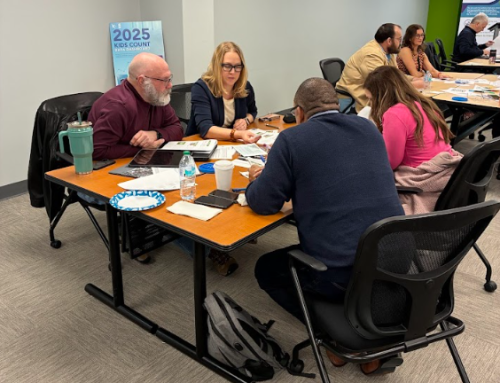
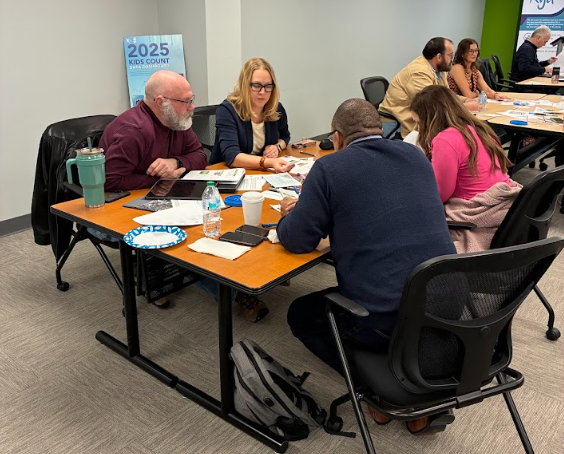
One of the strongest themes was the importance of peer support. Participants repeatedly emphasized the value of learning alongside colleagues and creating spaces where professionals could openly discuss their experiences, challenges, and successes. These connections reinforced that healing and resilience are often collective processes rather than individual ones.
The project also highlighted the power of collectivism, a core cultural value that emphasizes interconnectedness, community responsibility, and mutual support. Participants demonstrated how trauma-informed approaches can be strengthened when they build upon existing cultural strengths rather than replace them.
Another key lesson was the importance of cultural adaptation. While foundational trauma concepts may be universal, the ways they are understood, discussed, and applied vary across communities. The collaborative adaptation process ensured that the curriculum felt relevant, practical, and meaningful for Vietnamese practitioners and the families they serve.
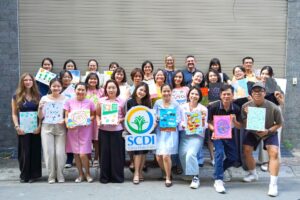
The culmination of this collaborative effort was particularly meaningful. Following the training, participants collectively named the curriculum:
Bounce: Bền Bỉ & Bao Dung
Translated as “Bounce: Resilient and Compassionate,” the title reflects both the spirit of the project and the aspirations of the practitioners involved. It emphasizes not only the ability to overcome adversity but also the role of compassion, connection, and community in the healing process.
What This Means for Children and Families
Ultimately, the measure of success for any workforce initiative is its impact on the people it serves. By equipping medical social workers with culturally adapted trauma-informed tools, this project strengthens the capacity of Vietnam’s social service workforce to respond effectively to the needs of children and families affected by adversity. Families may benefit from more supportive interactions, greater understanding of trauma’s effects, and services that recognize both challenges and strengths.
The project also contributes to a growing global movement that views resilience not simply as surviving hardship, but as creating the conditions that allow children, families, and communities to flourish.
Perhaps most importantly, this work demonstrates what is possible when researchers and practitioners collaborate across cultures and continents. By combining scientific evidence with local expertise and lived experience, the partnership created something more impactful than any single organization could have achieved alone—a foundation for resilience, compassion, and healing that can benefit generations to come.