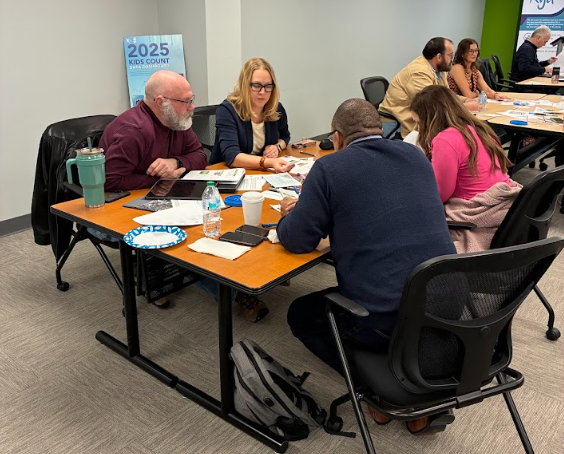
According to the Campaign for Trauma Informed Policy and Practice, “Trauma-informed conversations create and maintain conditions where participants fully engage with one another with respect, authenticity, and openness.”
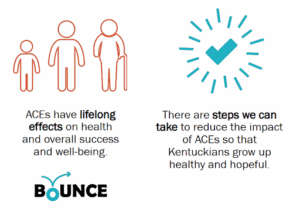
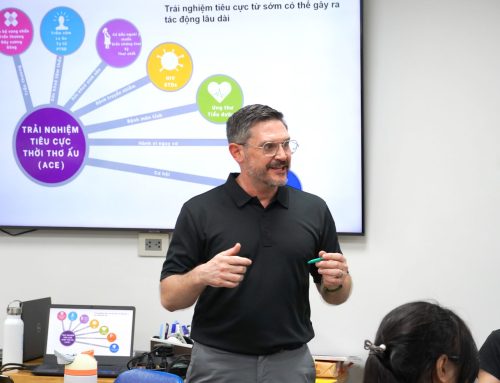
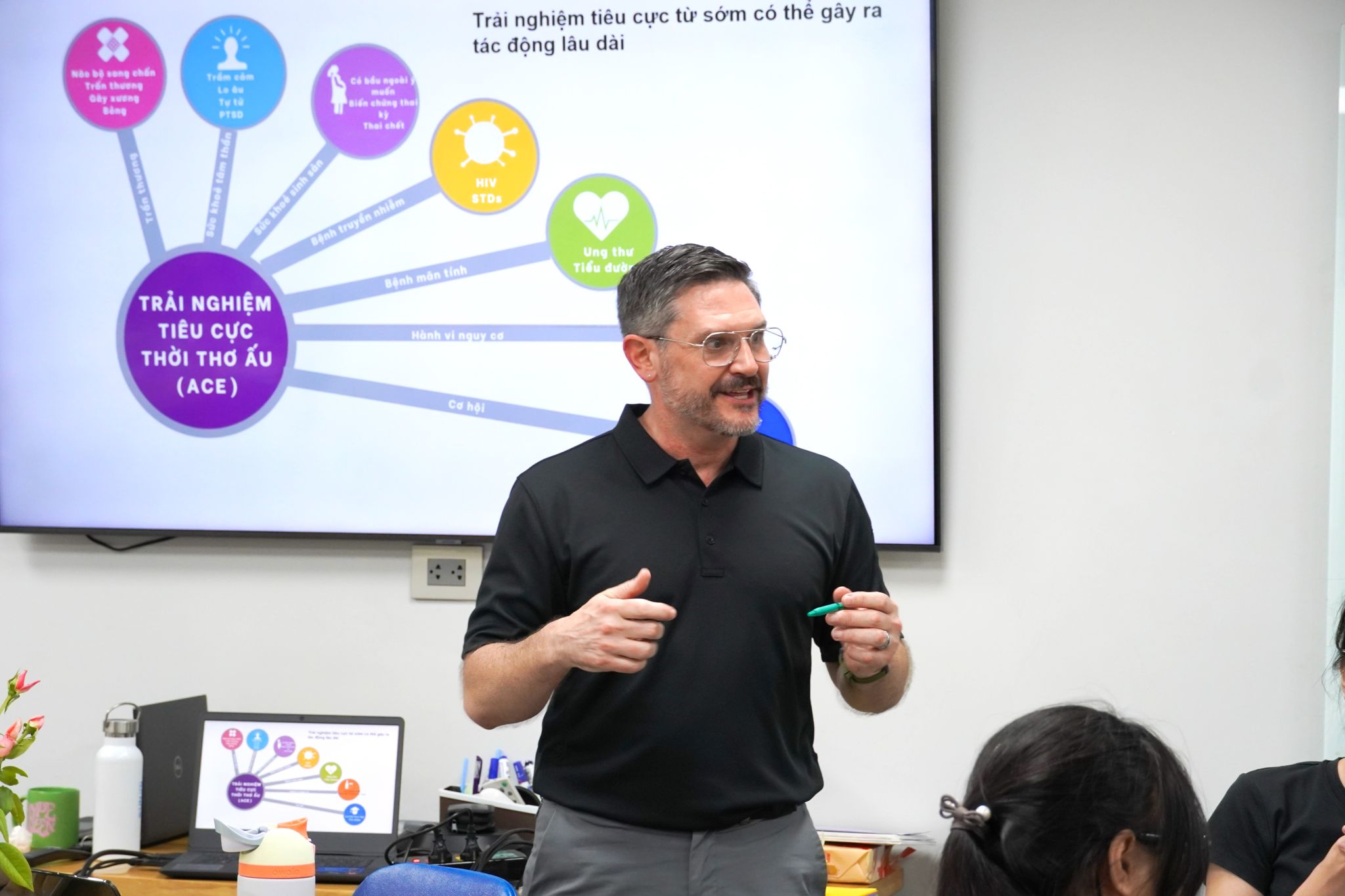
At Bounce, we work to build the resilience of children, adults, and families by improving knowledge about the impact of adverse childhood experiences (ACEs) and the skills to help people bounce back from adversity. We practice this goal by prioritizing physical and emotional safety, fostering trust, and using person-centered language that focuses on an individual’s experiences rather than their behaviors.
A few ways we put this in action is by:
- Prioritizing Physical & Emotional Safety:
-
-
- Create a safe environment and ensure the physical and emotional environment is safe and non-judgmental.
- Be aware of environmental triggers. This could look like spaces that
- Fostering Trust:
- Establish a relationship based on empathy, respect, and authenticity.
- Being Transparent:
- Communicate clearly about your role, the purpose of the conversation, and how information will be used.
-
- Framing the Conversation:
-
-
- Start with a General Question: Instead of directly asking about trauma, you could start with a general question about their experiences or background.
- Use “What Happened to You?” Language: Frame questions about trauma in terms of “what happened to you” rather than “what’s wrong with you”.
-
- Using Person-Centered Language:
-
- The Center for Practice Transformation describes how, “…language not only describes our reality, but designs it…People are so much more than their substance use disorder, mental illness, or disability. Using person-centered language is about respecting dignity, worth, and unique qualities and strengths of every individual.”
Other Tips to Keep in Mind:
- Avoid Assumptions: Don’t make assumptions about someone’s experiences or needs.
- Listen: Allow the person to share their story at their own pace and comfort level.
- Offer Support and Resources: If someone shares a history of trauma, offer support and resources that are appropriate for their needs.
- Respect Boundaries: If someone is not comfortable sharing their experiences, respect their boundaries and offer to revisit the topic at a later time.
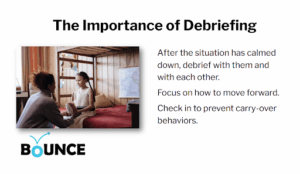
- Debrief and Follow Up: Show that you care by following up after conversations and show that you value what the person has to say. Focus on how to move forward.
Positive relationships are built on positive interactions. Each of these interactions has a powerful effect on the brain. When you have a positive interaction, the brain releases dopamine.
Creating a trauma-informed organization is essential to fostering a healthier, more resilient society. To learn more about training and opportunities for your organization, please visit BounceCoalition.org.