Tip of the Month: Trauma, Disabilities, and How to Best Serve Kids
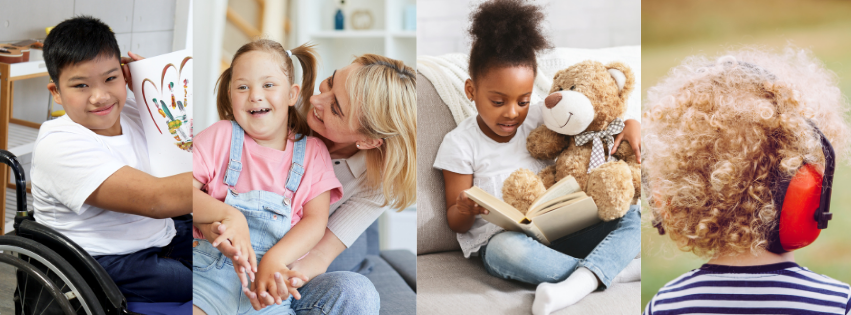
April is known for being Child Abuse Prevention Month, but it is important to remember that it is also Autism Awareness Month. The purpose of Autism Awareness month is to help people understand the variety of ways that an Autistic person may present symptoms of the disability and to help others understand the best way to provide support. Children with disabilities, like Autism, are significantly more likely to experience abuse than typically developing children. Why is that? Children with disabilities may be non-verbal and unable to report the abuse. Also, children with limited mobility may not be able to escape their abusers. Children with disabilities may demonstrate challenging behaviors related to their disability. These challenging behaviors may increase the stress level of caregivers and without adequate support, escalate to abuse.
Although child abuse is devastating, it is only one form of trauma that children with disabilities may experience. Traumatic experiences like medical trauma, negative education experiences, bullying, and social isolation can have a huge impact on a child’s development. Living in the same home and watching a child or sibling cope with these types of trauma can have a traumatic impact on the entire family. In order to support these children, and the entire family, it is crucial for the community to provide support and resources to the caregivers.
What resources are needed?
In order to provide more families with these skills, Bounce will be launching a new training in the next few months on trauma-informed care for children with disabilities and their families. This training will help practitioners learn what types of trauma these children and families experience and what strategies can support families as they learn to be resilient during day to day life. You can go to the Bounce website to see which types of training may benefit your organization.