This blog is our newsletter’s “Tip of the Month”. To sign up for our emails, click here.
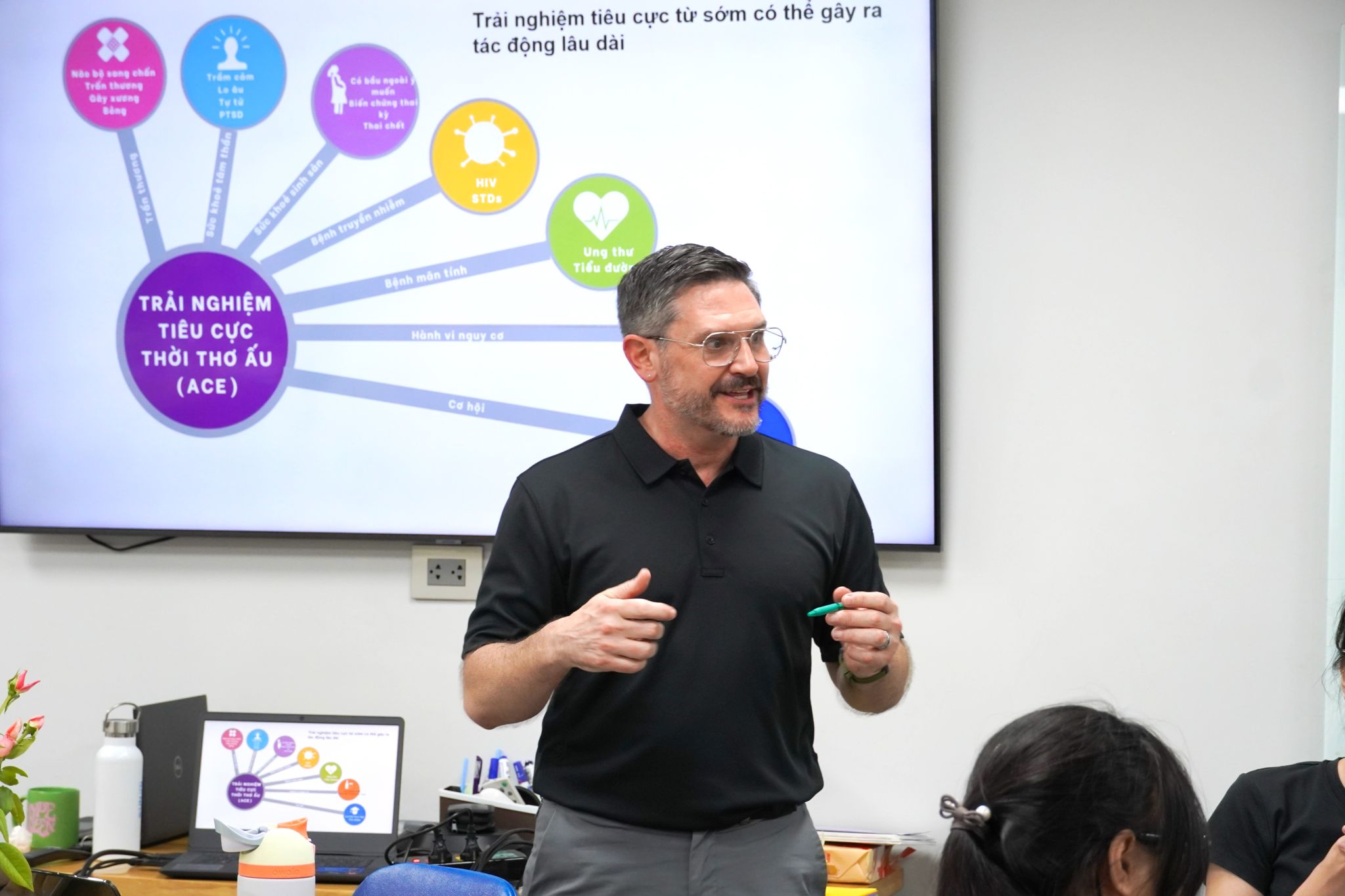
September is National Recovery Month. The Bounce Coalition is committed to building the resilience of children, adults, and families by improving knowledge about the impact of adverse childhood experiences (ACEs) and the skills to help people bounce back from adversity.
The research confirms that substance use is strongly linked to adverse childhood experiences (ACEs). Considering that 1 in of 5 Kentuckians have already experienced 2 or more ACEs, supporting Kentuckians on their pathway to recovery is crucial. By focusing on resilience-building and trauma-informed practices, the Bounce Coalition aims to provide essential support to those affected by substance use disorders.
Check out the 10 tips below to support someone in recovery:
- Educate Yourself on Addiction and Recovery.
- Substance Abuse Disorder (SUD) can hijack the pleasure/reward circuits in the brain and hook individuals into wanting more and more. This disrupts the part of the brain responsible for impulse control, and creates neurally embedded associations and memories with the individual’s addictive behavior, resulting in miniscule things triggering them that may not even enter the conscious mind.
- Don’t judge.
- Individuals in recovery from SUD often have dealt with a great deal of guilt and shame in their past and may still be holding onto negative feelings about self. They have probably come a long way.
- Practice patience.
- Recovery is much more than abstinence from drugs and alcohol, and healing and growth will take time. Relapses or other setbacks do happen.
- Offer Your Support.
- Knowing they’ll have someone to lean on every can be a huge relief.
- Communicate Your Concerns.
- The person you care about won’t know that you are concerned about them or that you think they have a problem unless you tell them.
- Lead by Example.
- By remaining present in their life and serving as a healthy, happy, and drug-free example and that there are alternative lifestyles.
- Celebrate Progress.
- Recovery is a slow-moving process. There will be small, gradual changes. Celebrate any progress made towards the end goal – no matter how small.
- Avoid Preaching or Lecturing
- Do not try to moralize your loved one or speak from a pedestal about what they should do. Instead, offer encouragement and loving but firm suggestions.
- Establish and Honor Boundaries.
- Creating boundaries is crucial when supporting someone in the grips of addiction. It can be easy to feel responsible for keeping them clean and safe, but that’s not your job.
- Take Care of Yourself First.
- It can be easy to feel devoted to helping them overcome SUD, but you need to take care of yourself first. If you are not taking proper care of yourself, you won’t be able to help someone else. That means prioritizing your health, and seeking mental health counseling or support groups such as Alcoholics Anonymous (Al-Anon) or Narcotics Anonymous (NA).