Adverse Childhood Experiences (ACEs) and Substance Misuse: Addressing the Roots of Addiction and Using Trauma Informed Practices
Recovery Month serves as a vital reminder of the importance of mental health and substance use recovery, emphasizing the need for evidence-based treatment, prevention strategies, and support networks. A crucial aspect of this is integrating trauma-informed practices into recovery efforts, acknowledging the deep-seated connections between ACEs and substance misuse.
ACEs Correlated with Substance Use
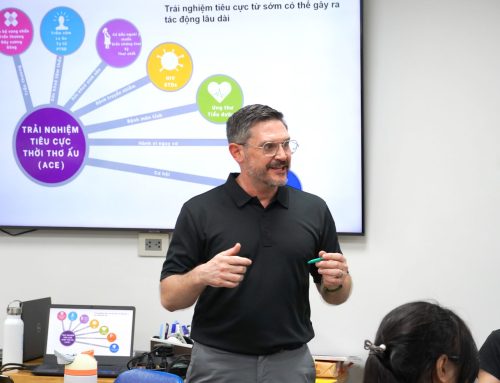
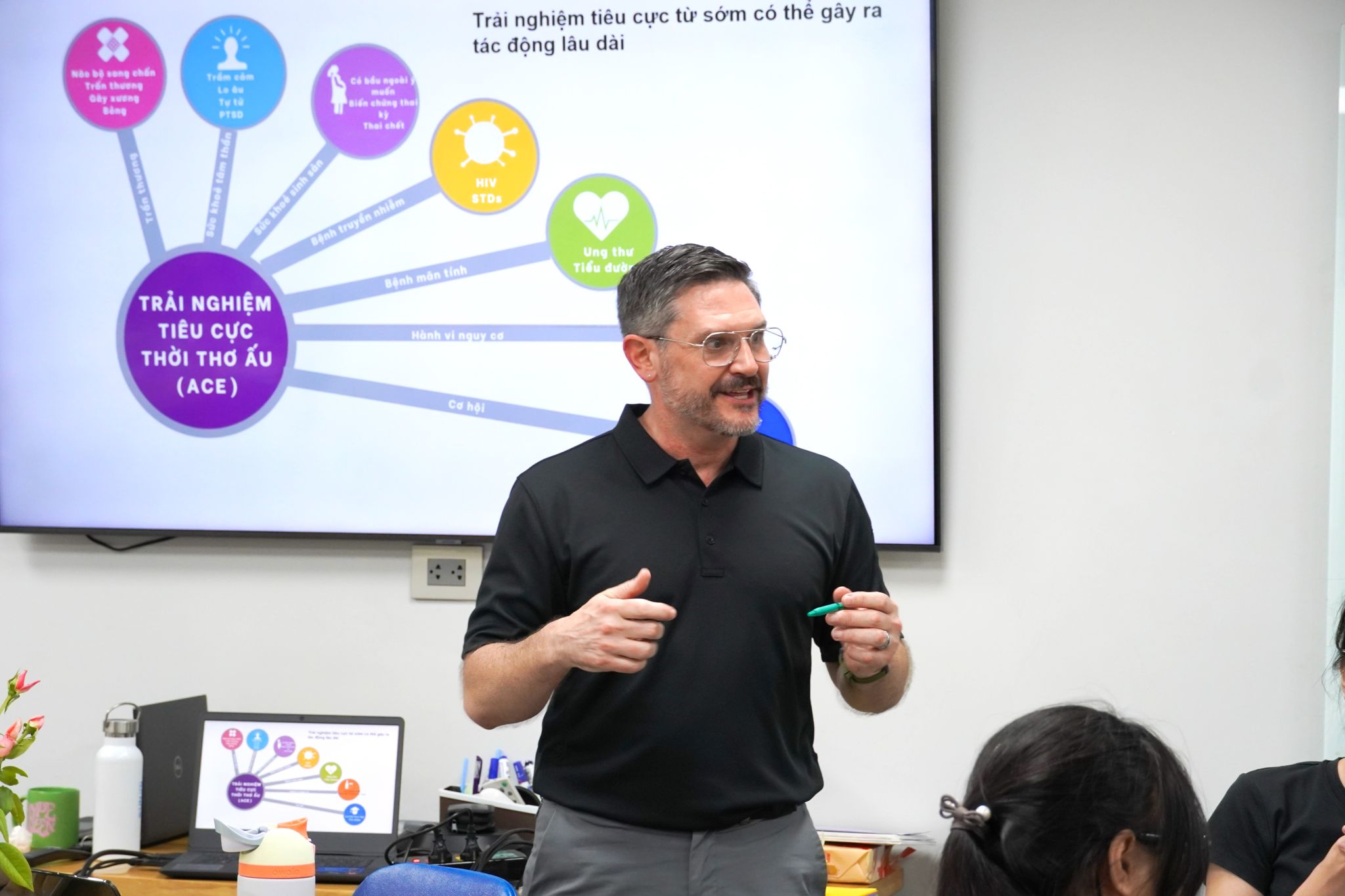
Research consistently demonstrates a strong correlation between ACEs and the development of SUDs. Adults with a history of ACEs are found to be 4.3 times more likely to develop a substance use disorder. This relationship is critical to understand as we think about how to best serve individuals who have potentially experienced traumatic experiences.
Trauma-Informed Care Defined
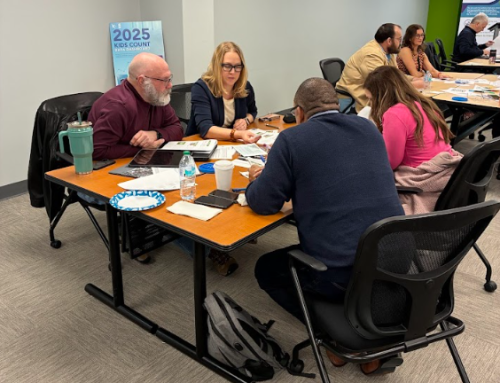
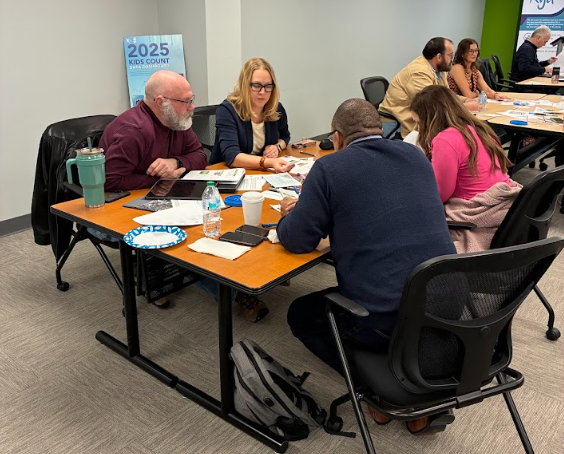
Trauma-informed care is an approach that recognizes the presence and impact of trauma in individuals’ lives and incorporates this understanding into all aspects of service delivery. It involves creating a safe environment, fostering trustworthiness and transparency, supporting peer and staff collaboration, empowering individuals, and acknowledging cultural, historical, and gender issues. By adopting trauma-informed practices, organizations can create supportive and empathetic environments that help individuals feel safe and understood, paving the way for more effective recovery from substance use disorders.
The Bounce Coalition builds the resiliency of children, adults, and families by improving knowledge about the impact of adverse childhood experiences (ACEs) and skills such as trauma-informed practices, to help people not only better serve others, but help people bounce back from adversity.
Acknowledging the correlation between ACEs and substance misuse is crucial in developing effective recovery strategies and knowing how to best serve individuals who may have experienced traumatic events.
By integrating trauma-informed care into treatment practices, organizations can make strides in addressing the roots of addiction and supporting individuals in their journey toward recovery. Recovery Month is an opportunity to shine a light on these efforts and advocate for a deeper understanding of the role trauma plays in substance use disorders.