Blog was written by Bounce and Kentucky Youth Advocates intern, Rayne Parker
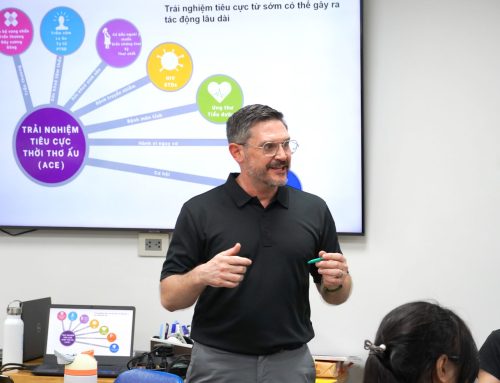
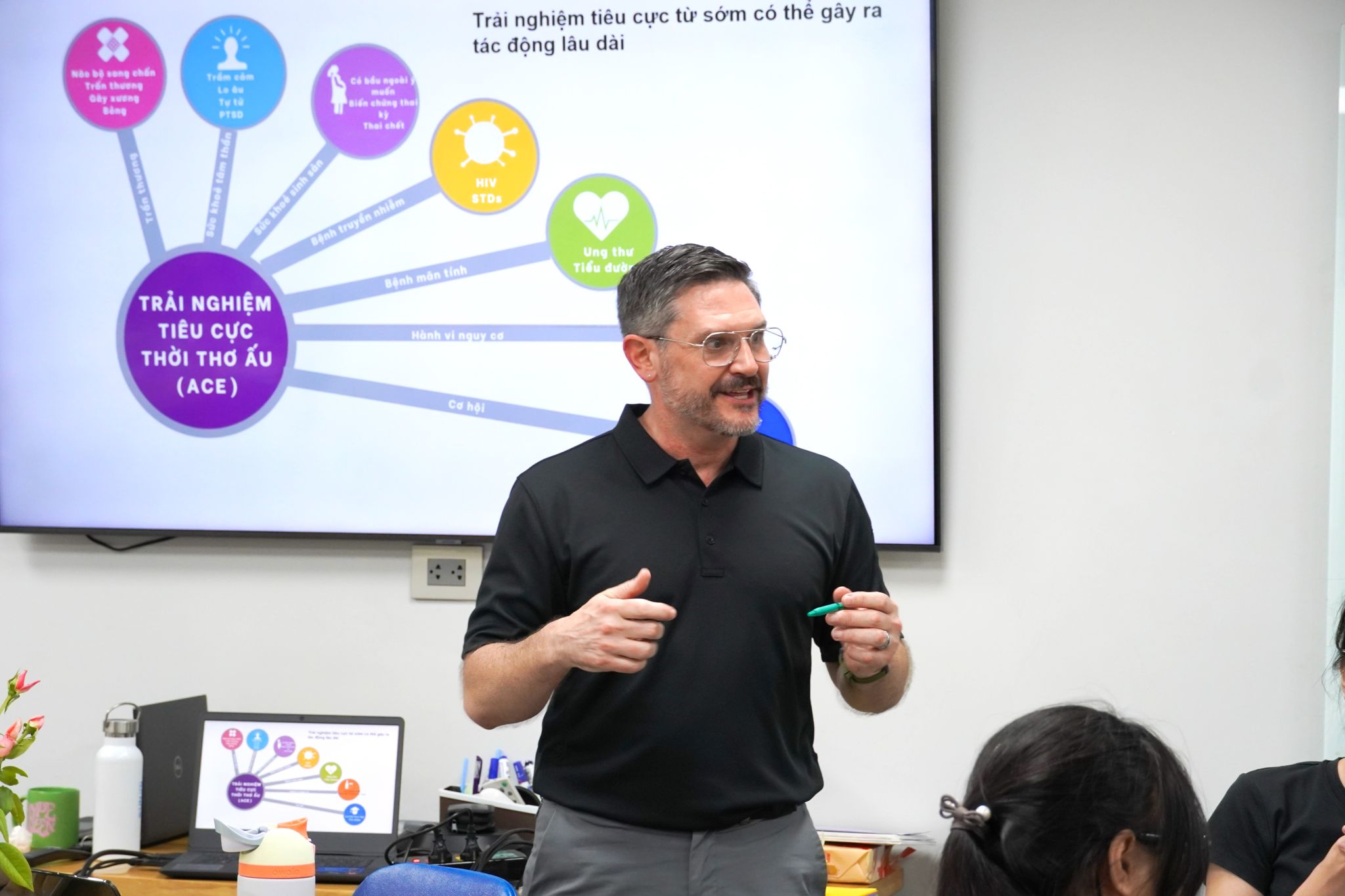
This Black History Month is a time for celebrating, learning, and reflecting. It is often full of recounting undertold histories and sharing in the joy of the Black experience and culture. It is also a time to reflect about the conditions of life in the present and build a brighter future for Black youth. We want Kentucky to be a great place to be a kid for ALL kids. However, Adverse Childhood Experiences (ACEs) have a legacy in the Black community previously affecting adults and presently impacting children, but we can create a future where their existence is small and the experiences have less adverse outcomes.
ACEs are common. According to the 2022 National Survey of Children’s Health, 1 in 5 Kentucky children have already experienced at least two ACEs. Due to discrimination and other historical factors that limit economic opportunity for Black adults in Kentucky, 20% have experienced two ACEs compared to 13% of White adults. ACEs are not predispositioned based on race, but the “built environment” or structural elements in which many Black people live, making them statistically more likely to experience more adverse childhood experiences. That said, they are not inevitable, nor insurmountable.
It’s important to highlight the role that PCEs, or positive childhood experiences, play in building resilience. PCEs are experiences in a child’s life that yield positive outcomes such as a supportive community and social network, feelings of belonging, and stable supportive adults which can create protective factors of hardship. These are important to remember because even when experiencing adversity, there are positive elements that contribute to resilience. While having more PCEs won’t make the ACEs go away or erase the negative events happening, they can help to provide a more balanced life and build in protection from potentially adverse outcomes.
A throughline in Black History and Black Futures is the importance and strength of community, the communal experience, and collective uplifting. These strengths can cultivate positive experiences for youth that create protection against adversity and, ultimately, brighter futures.
Get involved, nurture community, and learn more:
- Read our past blog post on race-based traumatic stress.
- Schedule Bounce’s Race-based Trauma and Healing training, this training includes interactive activities and engaging conversations around race-based traumatic stress (RBTS).
- Check out Bloom KY to learn more about the prevalence of ACEs in Kentucky and policy change to prevent and mitigate childhood adversity.
- Engage with the Play Cousins Collective who mobilizes and leads intentional investments in justice, health, and development for African American communities through five modalities: caregiver support, youth enrichment, childcare, mental health, and civic engagement.
Visit the Collective Care Center, one of the few racial trauma clinics in the U.S. Located in Louisville, KY, they specialize in treating BIPOC mental health concerns and racial trauma and provide free individual, family, and group therapy.