As summer comes to an end and our kiddos return to the classrooms, it’s vital to understand the impact that bullying has on children. With August being ‘Don’t be a Bully month,’ it’s a perfect time to learn about what you can do to take action and stand up for those who find themselves in an unsafe environment that fosters bullying.
Bullying is defined as unwanted, aggressive behavior among school-aged children that involves a real or perceived power imbalance. Different types can include verbal, social, and physical bullying. While ACEs (adverse childhood experiences) include experiences that typically occur in the household, bullying experiences, more common at school, have also been recognized as an ACE.
The profound impact bullying has on a child’s development can have far-reaching consequences that extend well into adulthood as victims of bullying during childhood have poorer health outcomes, poorer perceived quality of life, increased risk of psychiatric disorders and suicidality in adult life.
What can you do to take a stand against bullying?
- Parents can help children recognize the signs of bullying, provide support and encouragement, and let children know that they are not alone.
- If your child is the one exhibiting bully behavior, know that bullying is a learned behavior and it can be unlearned and replaced with more positive behaviors.
- Students can combat bullying with kindness, acceptance, and inclusion.
- If you are being bullied, you can address it and be your own self advocate or take action and confide in a trusted adult
- If you see a peer being bullied, you can listen to them without judgment and
- Schools can stop bullying on the spot.
- Schools can create a safe and supportive environment for students.
- Adults in schools can respond quickly and consistently to bullying behavior. That sends the message that the behavior is not acceptable. Research shows this can stop bullying behavior over time.
All of us can create environments for children that are safe and foster kindness, empathy, and aim to build resilience.
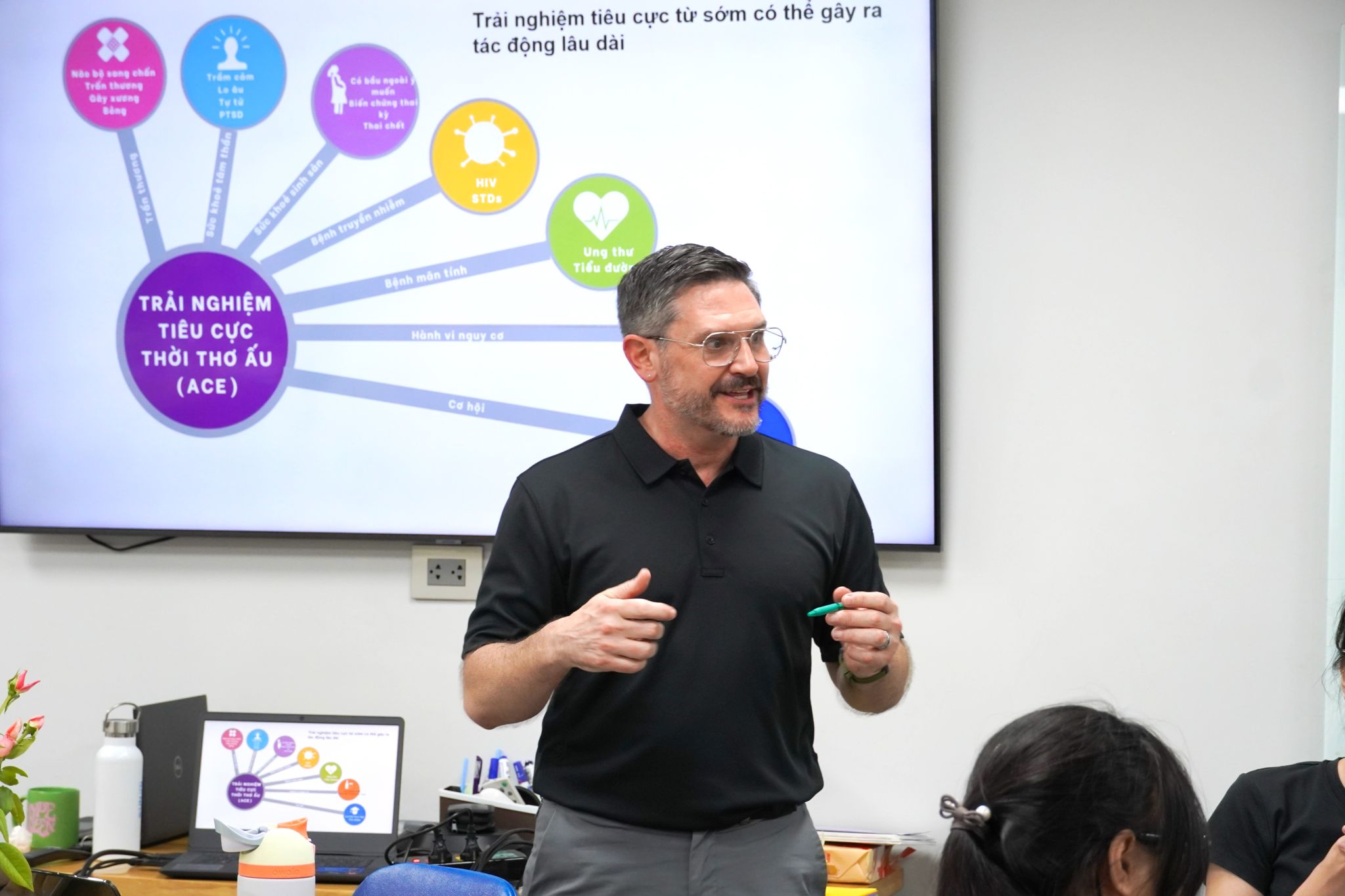
There are resources and learning opportunities out there to help us learn how to create such environments, such as the Bounce Coalition. Bounce offers trainings to schools, organizations, and individuals that touch on the understanding of ACEs, resiliency building, and trauma-informed practices.