What are ACEs and toxic stress?
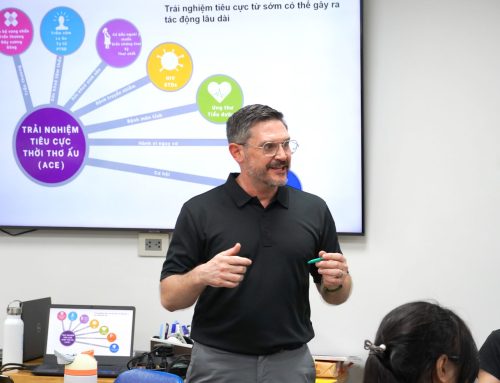
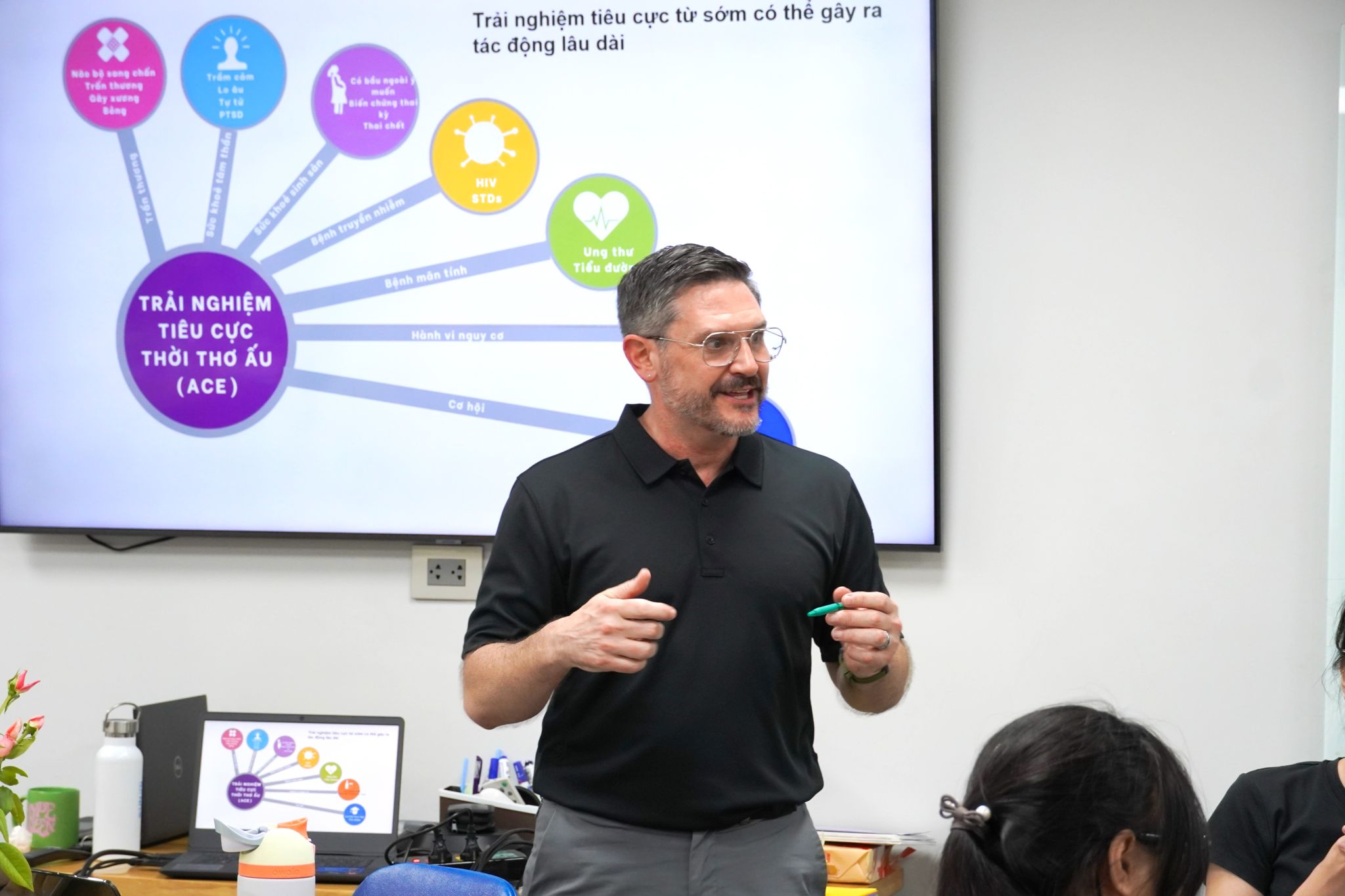
Adverse Childhood Experiences (ACEs) are traumatic or stressful events that occur prior to the age of 18. ACEs cause toxic stress, which can harm a child’s brain and result in problems with behavior, learning, and even making friends. Nearly three decades of scientific research has confirmed that these childhood adversities have the potential to lead to poor health outcomes, such as disease, disability and even early death, for a number of reasons. For example, after experiencing a traumatic event, a child may feel vulnerable or helpless. These feelings may cause them to adopt risky behaviors such as drinking, overeating and smoking in an attempt to manage their emotions.
How does toxic stress and trauma impact the mind and body?
Scientists have also uncovered the neurological changes that occur as a result of toxic stress and trauma. Due to these adversities, some neural connections may be altered or overstimulated. Some of those connections that are vital to learning ability and memory may be reduced, which weakens connections to thinking parts of the brain. Alternatively, overstimulated connections in the brain result in consistently elevated levels of stress hormones such as cortisol. Not only do these neurological and hormonal changes increase risk for a variety of health concerns, such as heart disease and suppressed immunity, they also alter emotional response and thinking, causing an individual to have problems with coping and adaptability. The effects of such toxic stress is profound – it can reduce tolerance to even mild future stress and manifest into serious mental and behavioral health concerns, such as depression and anxiety. In turn, this can have severe economic and social consequences, such as maintaining employment and impacting interpersonal relationships, self-efficacy and self-esteem.
How can we mitigate ACEs and build resilience?
The good news is that there are steps we can take as individuals, professionals, and a community to mitigate the impact of ACEs and toxic stress. Research shows that protective factors, such as the presence of a stable and nurturing relationship with adults, parent/caregiver resilience, and community systems that provide support through trauma-informed practices, can all build resiliency among the children in our community and allow them to bounce back from adversity more quickly Just as toxic stress and trauma can create negative patterns of brain activity that change the structure and function of the brain, so can resilience. When we regularly practice resilience, we have the power to strengthen our brain in ways that build the ability to cope and adapt to life’s changes and challenges.
Where do we go from here?
Changing your brain takes time, repetition, and patience. Try out these simple strategies to help build resilience:
- Develop and maintain strong relationships – Build connections with family members, friends, neighbors, and people who share your interests. Join a local group, take a class, or be active in a faith-based organization.
- Take care of yourself – Stress affects us physically and emotionally. Maintaining a healthy lifestyle can strengthen your body and help build a strong foundation for resilience and emotional wellbeing. Give yourself the resources you need to stay strong. Eat a healthy diet. Get enough sleep. Exercise regularly. Stay hydrated.
- Practice STOP (Stop, take a breath, observe, proceed) – This “mini-mindfulness” exercise encourages you to stop what you’re doing, take a breath, observe what you’re feeling, then proceed with your activity. This can be done in as little as 10 seconds, after a work meeting, following a toddler’s meltdown, or while navigating crowded aisles at the grocery store. The point is to notice what’s happening in your body and mind at that moment.
- Seek help from a professional – At times, an individual might get stuck or have difficulty making progress on the road to resilience. A licensed mental health professional can assist people in developing an appropriate strategy for moving forward.
Do you want to learn more?
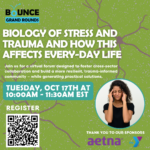 Join the Bounce Coalition for our next Bounce Grand Rounds on Tuesday, October 17th at 10:00am – 11:30am ET, where we will focus on the biology of stress and trauma and how this affects every-day life. This virtual learning opportunity is designed to foster cross-sector collaboration and build a more resilient, trauma-informed community – while generating practical solutions. REGISTER HERE.